

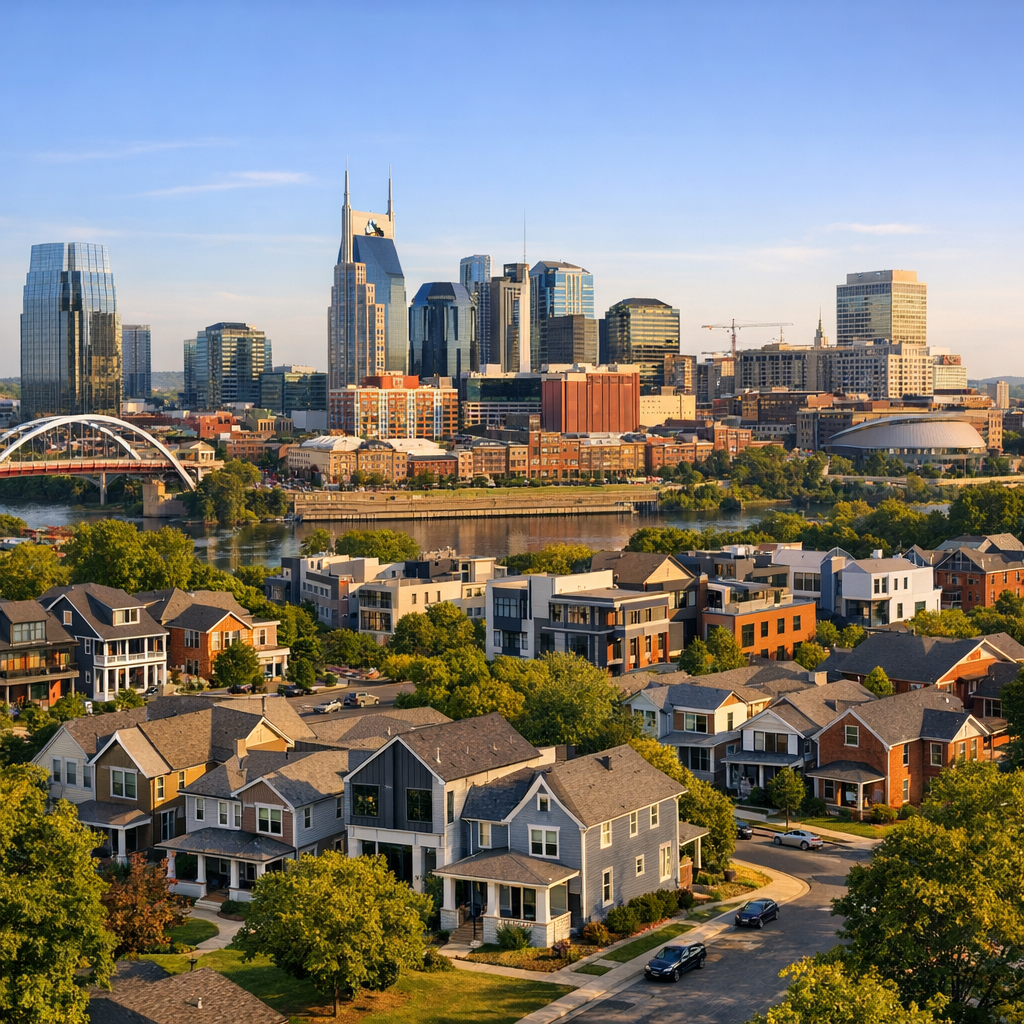
Nashville’s real estate market is experiencing notable shifts, presenting both challenges and opportunities for residents and investors. Understanding these changes is crucial for making informed decisions in this dynamic environment.
Market Trends: A Shift Toward Buyers
Recent data indicates a significant increase in housing inventory across Nashville. As of March 2026, active listings reached 12,315 properties, marking a 12% rise from the previous year. This surge provides buyers with more options and greater negotiating power. Consequently, sellers are adopting creative strategies, such as offering incentives, to attract potential buyers. While home prices have seen slight decreases—condo prices, for instance, fell from $350,000 in February 2025 to $338,500 in February 2026—overall prices remain higher than in past years, continuing to challenge affordability for some buyers.
Spotlight on Antioch: A Thriving Market
Antioch (ZIP code 37013) continues to lead Nashville’s real estate market, recording 1,121 home sales in 2025. This marks the third consecutive year Antioch has topped the list, underscoring its rapid growth in southeastern Davidson County. The area’s appeal is bolstered by new amenities, including the Tanger Outlets and an upcoming In-N-Out, attracting buyers seeking more affordable options compared to pricier neighborhoods like East Nashville.
Affordability Concerns Amid Rising Costs
Despite the increase in inventory, affordability remains a pressing issue. A recent Vanderbilt University poll reveals that 82% of Nashville residents feel they cannot afford to buy a home in Davidson County. This sentiment highlights the ongoing housing affordability crisis, even as local leaders implement initiatives like the Unified Housing Strategy to increase the supply of affordable housing.
New Developments: Luxury Living in Belle Meade
The Belle Meade Plaza site is set to transform with the introduction of 1 Iris Lane, a luxury residential project featuring upscale condos starting at $2.5 million. The development will consist of two residential towers with a total of 92 units, each averaging around 3,200 square feet. Amenities include private mahjong rooms, a Pilates studio, and an on-site salon. This project reflects the growing demand for high-end living spaces in Nashville, driven by an influx of wealthy transplants from coastal cities.
Conclusion
Nashville’s real estate landscape is evolving, with increased inventory offering more choices for buyers and prompting sellers to adapt their strategies. While affordability challenges persist, new developments continue to shape the city’s housing market. Staying informed about these trends is essential for anyone looking to navigate Nashville’s dynamic real estate environment.